
What AI Can (and Can't) Do for American-Made Textiles
Aug 04, 2026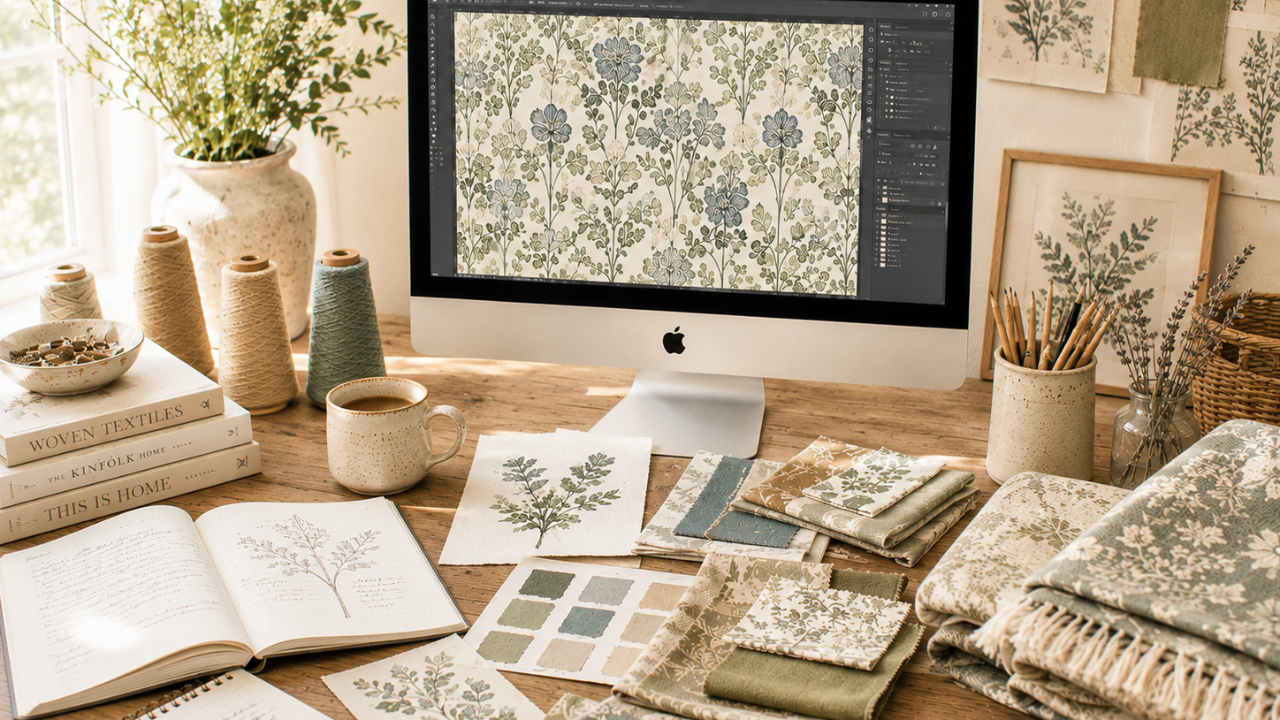
AI and robotics are showing up in more of our conversations about American manufacturing lately, and we've found ourselves genuinely fascinated by it. We don't have this all figured out. But we've been following it closely enough to want to talk through what we're seeing, and what it does and doesn't actually mean.
Where This Story Actually Starts
Decades ago, when so much textile production moved overseas, the jobs went with it. Mills closed. Entire towns lost the industry they'd been built around. That happened long before AI or robotics ever entered the conversation, and it's worth saying clearly: the workforce gap this industry faces today isn't new, and it isn't caused by the tools we're about to talk about.
It's genuinely hard to find skilled textile workers right now. Some moved into other fields. Some retired without anyone behind them to pass their knowledge to. Fewer young people are entering a trade that spent years shrinking instead of hiring. So when we talk about technology here, we're not talking about replacing people currently doing this work. We're talking about an industry still trying to rebuild a workforce it lost a long time ago, and figuring out where new tools might actually help with that.
Weaving, and the Labor Math That's Starting to Shift
Labor cost is the reason so much of this work left the US, and it's a big part of why so few skilled workers remain in the field. That distinction matters: we didn't lose the workers because a robot took their job. We lost them because the jobs left first.
Robotics is starting to change that math. In a lot of cases, it's filling roles mills simply can't staff right now, not roles someone held yesterday. Automated mills are reporting real gains, efficiency up 40 to 50 percent in some cases, alongside a similar drop in the labor costs that made overseas production so much cheaper to begin with. Some of that work was also genuinely hard on the body, and it's gotten harder to fill for reasons that have nothing to do with automation.
There's a second piece of this worth naming. A lot of the people who hold decades of hands-on knowledge are retiring, and there aren't enough people behind them yet to learn it before it's gone. Manufacturing broadly could see millions of unfilled jobs by the end of the decade, and textiles already feels that shortage more than most industries.
This is where VR training has caught our attention. A new hire can practice on a digital version of the actual equipment before they ever touch the real machine, so their early mistakes happen somewhere that doesn't cost time, materials, or safety. Some manufacturers are seeing new workers reach real competency 30 to 50 percent faster on complex tasks than they would with traditional training. That's not about replacing anyone. It's about getting knowledge to move faster from the people who have it to the people who need it, while there's still time to pass it on.
We don't want fewer people in this industry. We want the opposite: to close the gap that pushed this work away from American workers in the first place, so there's a real reason for that skill to exist here again.
Design, and Where AI Actually Stops
AI-generated pattern design is genuinely everywhere right now. Most fashion and textile companies use some form of it to try ideas fast and move past the slower, messier early stages of design.
Here's the real limit, though. A lot of what these tools generate is just an image. It's not something a mill can actually weave. There's a gap between a pattern that looks good on a screen and one that has the structure a mill needs to produce it, and someone still has to close that gap by hand, with real expertise in how fabric behaves.
There's a bigger piece of this beyond any single pattern. Generating a design is one thing. Knowing which patterns belong together, and which ones create a feeling when you put them side by side, is something else entirely. That's taste, and it's still built the old way, by looking, choosing, and doing it again and again until you trust your own eye. Putting a collection together isn't about which piece is best on its own. It's about which pieces add up to something whole, and no dataset teaches you that.
We're not going to pretend we know exactly where the line sits five years from now. Right now, though, the harder half of design still belongs to people who've spent years developing an eye for it.
What We're Actually Watching For
None of this is about needing people less. This industry lost a lot of jobs long before any of these tools existed, and what's left now is the work of rebuilding, and figuring out where new tools genuinely help instead of getting in the way.
It's also worth naming what craftsmanship actually means in a moment like this. It was never really about hands running a loom for eight hours. It's the decisions that shape what the loom produces, and if AI takes on more of the repetitive labor, craftsmanship doesn't disappear. It shifts from hands doing the labor to hands, and eyes, and taste, steering it.
There's a real possibility this industry splits in a useful way. The craftspeople who love this work, who want to spend their careers developing an eye for weave structure or building a collection with real taste, may end up doing more elevated work than ever, freed from some of the repetitive parts of the job. At the same time, the mass-market side of textiles, the products that need to be affordable and accessible to a lot of people, could get genuinely cheaper and more efficient to produce. Both of those outcomes seem worth wanting.
If robotics can close some of the cost gap that pushed this work overseas, and VR can help pass down knowledge while the people who have it are still here, and AI can speed up the parts of design that don't require years of trained taste, none of that reads as a threat to craftsmanship to us. It reads as one of the things that might make it possible to bring more of this work, and the people who do it, back home.
That's the shift we're watching, and we'll keep sharing what we learn as it unfolds.
If you're interested in where American textiles are headed, we'll keep sharing what we're learning as this industry evolves. Sign up for our newsletter below to get new articles, insights, and conversations like this delivered straight to your inbox.