
How to Build a Personal Trend Detector
Jan 27, 2026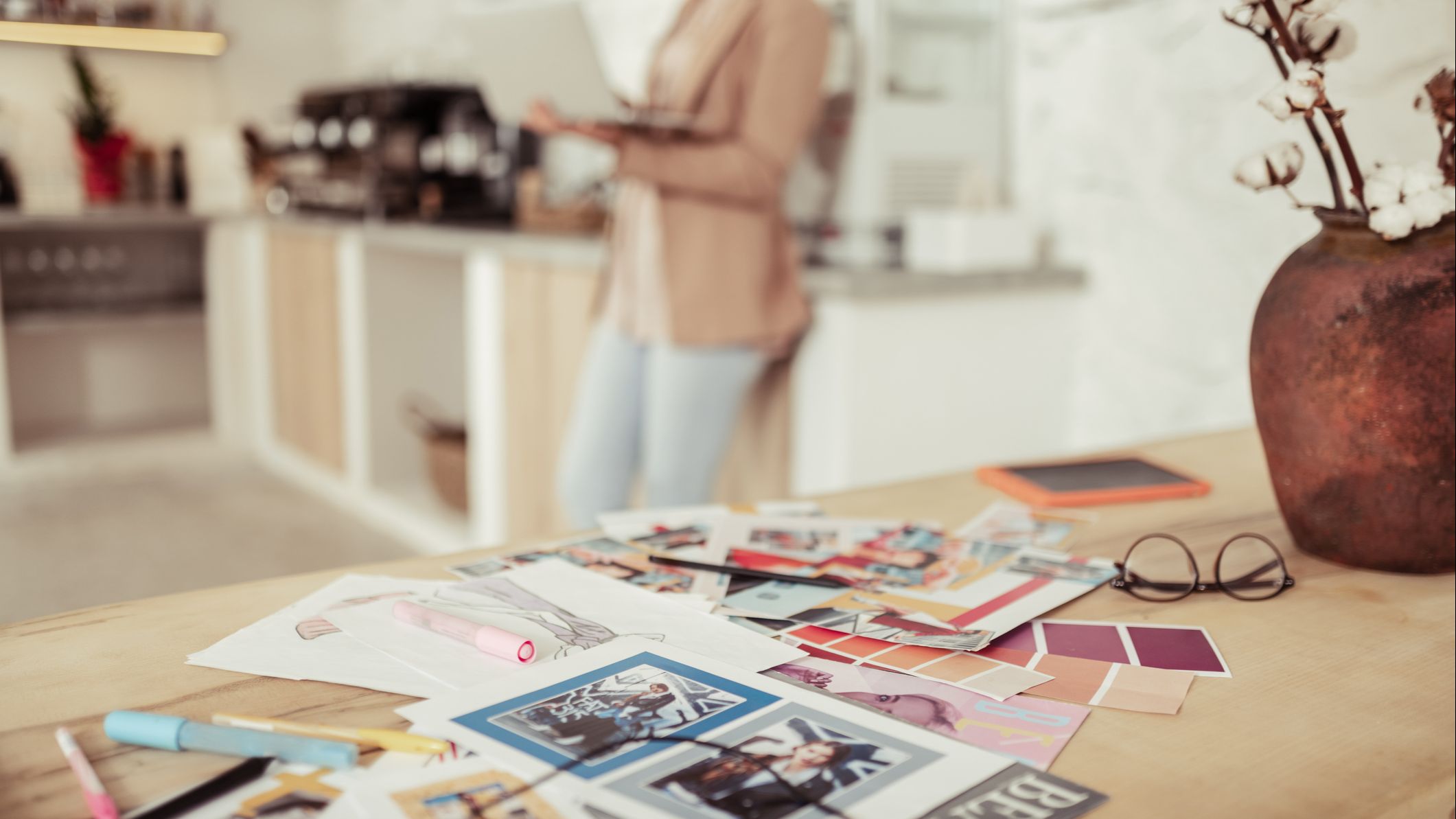
There’s a common belief that trend forecasting is something only big companies or industry insiders can do. That it takes expensive reports, special access, or a sixth sense for what’s coming next. But the truth is, you don’t need any of that.
If you’re a small brand or creative business, you’re closer to understanding trends than you might think. Not because you have special access, but because of how you move through the world.
Trend work doesn’t start with prediction. It starts with attention. And the way you pay attention matters more than anything else.
What a Personal Trend Detector Really Is
A personal trend detector is not a prediction tool. It is a noticing practice.
Instead of asking, “What is coming next?” you are asking, “What is showing up again and again?” You are looking for patterns in behavior, color, texture, pricing, and taste. Not the loud, attention grabbing moments, but the consistent ones.
What people often lose sight of is that trends aren’t rules. They’re signals. They tell you what people are responding to, what feels relevant, and what fits into their real lives right now. For small brands, that information is far more valuable than being early for the sake of being early.
Why Small Businesses Should Look Closer, Not Further Ahead
Large companies plan years out because they have to. Their timelines are long, their production is slow, and changing course is expensive. Trend forecasting at that scale is about minimizing risk far in advance.
Small brands don’t typically operate in the same way. If you can design, produce, and adjust relatively quickly, your advantage is not early prediction, it is responsiveness. You can refine products based on what is currently resonating, adjust colors, materials, or pricing quickly (not over years), and build collections that feel current without chasing constant novelty.
For small businesses, the most useful trends are not the ones that feel futuristic or extreme. They are the ones that are just starting to gain traction or that have proven they can stick around. When you focus on what is already taking shape in the real world, you make decisions that feel timely instead of speculative, and that is where confidence comes from.
Where to Look for Trends That Matter
The best trend signals rarely live in one place. They show up across different spaces, often quietly and often where people aren’t looking.
Start with retail floors, not just styled product photos. What’s actually in stores and how it’s displayed says a lot more than a perfect flat lay. Notice how products are used in real homes, cafés, hotels, and offices. That’s where you see what people are truly living with, not just what’s trending online.
Look at packaging, signage, and materials in everyday environments. These choices aren’t random. They’re tested and intentional, which makes them valuable signals. And keep an eye on repetition across seemingly unrelated categories. If the same color palette is showing up in a clothing store, a coffee shop interior, and a home goods aisle, that’s not a coincidence. That is a signal.
How to Track Without Overcomplicating It
You do not need a complex system. You need consistency.
Some people still collect physical tear sheets, pages ripped from magazines and stacked into color or pattern piles. Others save screenshots to a folder on their phone or organize inspiration on Pinterest. The point isn’t what tool you use. It’s that you use something.
What matters most is taking time to actually review what you’ve gathered. Once a month, pull up your folder, spread out your clippings, or scroll through your saved posts and ask: What keeps showing up? What colors or shapes do I keep saving without realizing it? Which images still feel relevant and which ones already feel tired?
That’s when trends start to reveal themselves. Not in the moment you save something, but when you step back and look at everything together. When you do that, you stop reacting to individual moments and start seeing the bigger picture.
Knowing When Something Is a Trend and Not Just Noise
Here’s the part no one loves to say out loud: not everything new is meaningful.
One of the easiest traps to fall into is assuming that just because something is everywhere online, it’s a trend worth following. But real trends tend to show up in more than one place, across different industries or environments. If you’re only seeing it in one corner of social media, it might just be a moment, not a movement.
Consider whether it solves a real problem or fits naturally into daily life. Look at how often it’s showing up, not just online, but across retail, design, and culture. Does it feel flexible and adaptable, or overly specific and hard to work with?
Trends with staying power tend to make sense in the bigger picture. They feel inevitable, not manufactured. So ask yourself: Does this feel like something people are genuinely drawn to, or just something being sold to them? The rest is just noise.
What to Do With What You Notice
You don’t need to act on every trend you spot. In fact, you shouldn’t. Trend awareness isn’t about chasing every shift. It’s about sharpening your decisions.
What you notice can help you refine instead of overhaul. It can strengthen what’s already working, reveal where you might be repeating something that’s overdone, or make it easier to say no to ideas that don’t fit. The goal isn’t to follow trends. It’s to design with more context, more confidence, and more clarity about where your work sits in the world.
When you understand the landscape, you stop second-guessing yourself. You don’t have to justify every creative choice. You know why it works.
Start Where You Are
You do not need special access, a forecast report, or insider knowledge to build a personal trend detector. You need curiosity and the willingness to pay attention.
Start small. Notice what keeps showing up. Track what makes you pause. Over time, the signals get clearer. And once you learn how to read them, trend work stops feeling mysterious and starts feeling practical.
If trend work has ever felt out of reach or overly complicated, we hope this gave you a clearer path in. Around here, we believe that paying attention is a skill anyone can build, and when you do, it changes everything about how you create.
Want more like this? We share notes like these (and a few we don’t post anywhere else) in our newsletter. Sign up below to get them straight to your inbox.